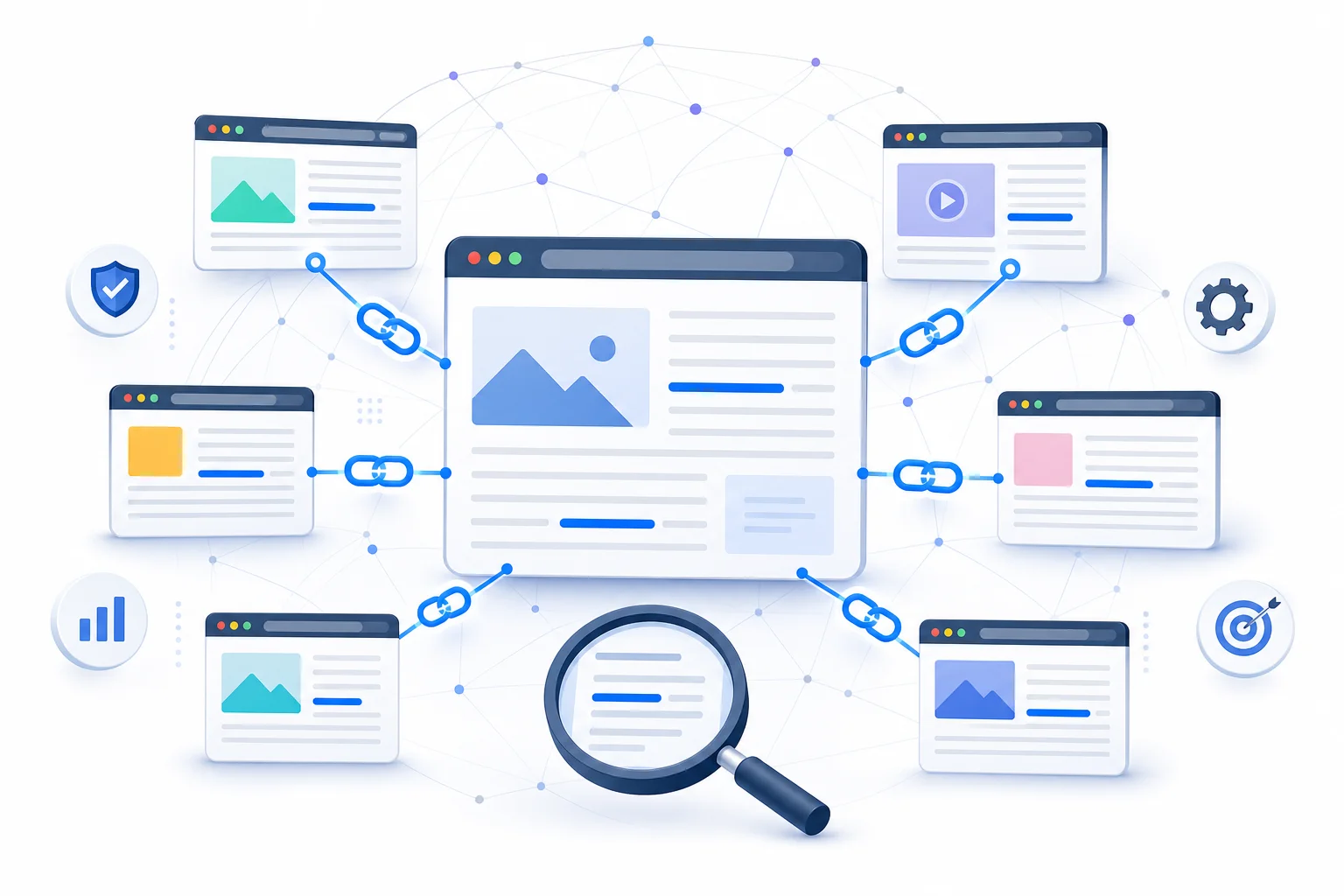
Understanding Contextual Backlinks in SEO
Contextual backlinks are links placed within the body of relevant content on authoritative websites. They are not just ordinary links; they come with the context and subject matter that amplifies their power in the eyes of search engines. By embedding links within meaningful text, search engines interpret them as naturally earned endorsements, giving your site a significant boost in credibility and rankings.
Why Are Contextual Backlinks So Important?
Backlinks have long been one of the most important Google ranking factors, but not all backlinks are created equal. Contextual backlinks stand out because they provide search engines with additional signals: topical relevance, trustworthiness, and genuine endorsement. When a reputable website links to your page in a way that matches the subject of the content, it sends a strong message to search algorithms that your content is both valuable and pertinent to readers.
How Contextual Backlinks Improve SEO
Enhanced Topical Relevance
A contextual backlink is more than just a clickable URL. Its surrounding content and placement on the page matter. If your backlink is situated within a highly relevant article, search engines recognize the topical connection between the source and your website. This improves your website’s relevance in the algorithm’s eyes, resulting in a stronger potential for higher rankings.
Greater Authority and Trust
Links from authoritative websites are seen as votes of confidence. When those links come from content-rich pages—especially those recognized as leaders in your niche—they pass on more trust or “link juice.” Over time, regular acquisition of high-quality contextual backlinks steadily grows your website’s domain authority.
Improved Organic Traffic
Organic traffic thrives on reputation and trust. Contextual backlinks drive not only SEO benefits but also real users who are interested in the topics you cover. These visitors are more engaged since they arrive from closely related resources, increasing the likelihood of conversions.
Key Characteristics of a Contextual Backlink
To fully leverage these benefits, it’s important to ensure that your backlinks exhibit certain qualities. A high-value contextual backlink typically:
– Appears within relevant, high-quality content
– Uses natural, descriptive anchor text
– Comes from an authoritative and trustworthy site
– Relates closely to your page’s target keywords
– Is surrounded by semantically relevant information
Each of these factors increases the overall impact that the link can have on your search visibility.
Practical Strategies for Building SEO Contextual Backlinks
Guest Posting on Authoritative Sites
Contributing high-quality content as a guest author on respected industry sites remains a reliable way to earn contextual backlinks. Ensure your articles add real value to the target audience and incorporate SEO Contextual Backlinks naturally within the content, enhancing both reader experience and SEO value.
Resource Link Building
Identify pages that list relevant resources or tools in your niche and pitch your content as an addition. If your resource fills a unique need or provides superior value, webmasters are more likely to mention your page contextually within their recommendations section.
Skyscraper Technique
This approach involves finding popular content in your niche, creating a better or more comprehensive version, then reaching out to sites that currently link to the original. Since your improved content offers more value, you increase your chances of earning their contextual backlinks.
Broken Link Building
Webmasters hate dead links. By identifying broken outbound links on relevant websites and offering your content as a replacement, you help site owners fix issues while securing a relevant contextual backlink for yourself.
Best Practices for Sustainable Link Building
Building SEO contextual backlinks is not about quick wins or shortcuts. Search engines have become incredibly adept at detecting manipulative tactics. Focus on organic and ethical link-building strategies, including:
– Creating genuinely useful, shareable content
– Building relationships with fellow content creators and industry leaders
– Maintaining diverse anchor text profiles
– Avoiding paid link schemes and low-quality directories
By maintaining quality over quantity, you protect your website from potential algorithm penalties and lay the foundation for consistent SEO growth.
Measuring the Impact of Contextual Backlinks
Monitoring Link Quality and Relevance
Simply acquiring a backlink is not enough; you also need to track the quality and relevance of each link. Use SEO tools to evaluate domain authority, the topical relationship between linking and linked pages, and the traffic impact. Over time, prioritize opportunities that provide the highest value backlinks.
Tracking Ranking Improvements
Regularly monitor your search rankings for target keywords and pages associated with new backlinks. While results can take weeks or months to manifest, quality contextual backlinks often correlate closely with upward trends in rankings and organic search visibility.
Evaluating Referral Traffic
Contextual backlinks not only boost SEO but also generate direct referral traffic. Google Analytics and other monitoring tools provide insights into user behavior, bounce rates, and conversion paths from external links. Use this data to refine your backlink-building strategies for maximum impact.
Common Mistakes to Avoid with Contextual Backlinks
Despite the benefits, many website owners fall into traps that reduce the effectiveness of their contextual backlinks. Be aware of these pitfalls:
– Leaning on low-quality or irrelevant sites for links
– Over-optimizing anchor text
– Ignoring the user experience for the sake of SEO
– Neglecting diversity in linking domains
A long-term, ethical approach ensures backlinks help rather than hinder your SEO journey.
The Future of Contextual Backlinks in SEO
Search engines continuously refine how they evaluate backlinks. In 2024 and beyond, their algorithms increasingly reward links surrounded by relevant, high-quality content from authoritative sources. Human readers and AI systems alike place a premium on trust, expertise, and authenticity in web content—criteria contextual backlinks naturally address.
Conclusion: Prioritizing Context in Your Link-Building Strategy
Contextual backlinks offer a sustainable, future-proof way to improve your website’s authority and rankings. By earning links that are truly relevant to your subject matter and placed within valuable content, you build both search visibility and user trust. As the digital marketing landscape continues to evolve, websites that prioritize genuine, contextual link-building will have a distinct advantage over the competition.