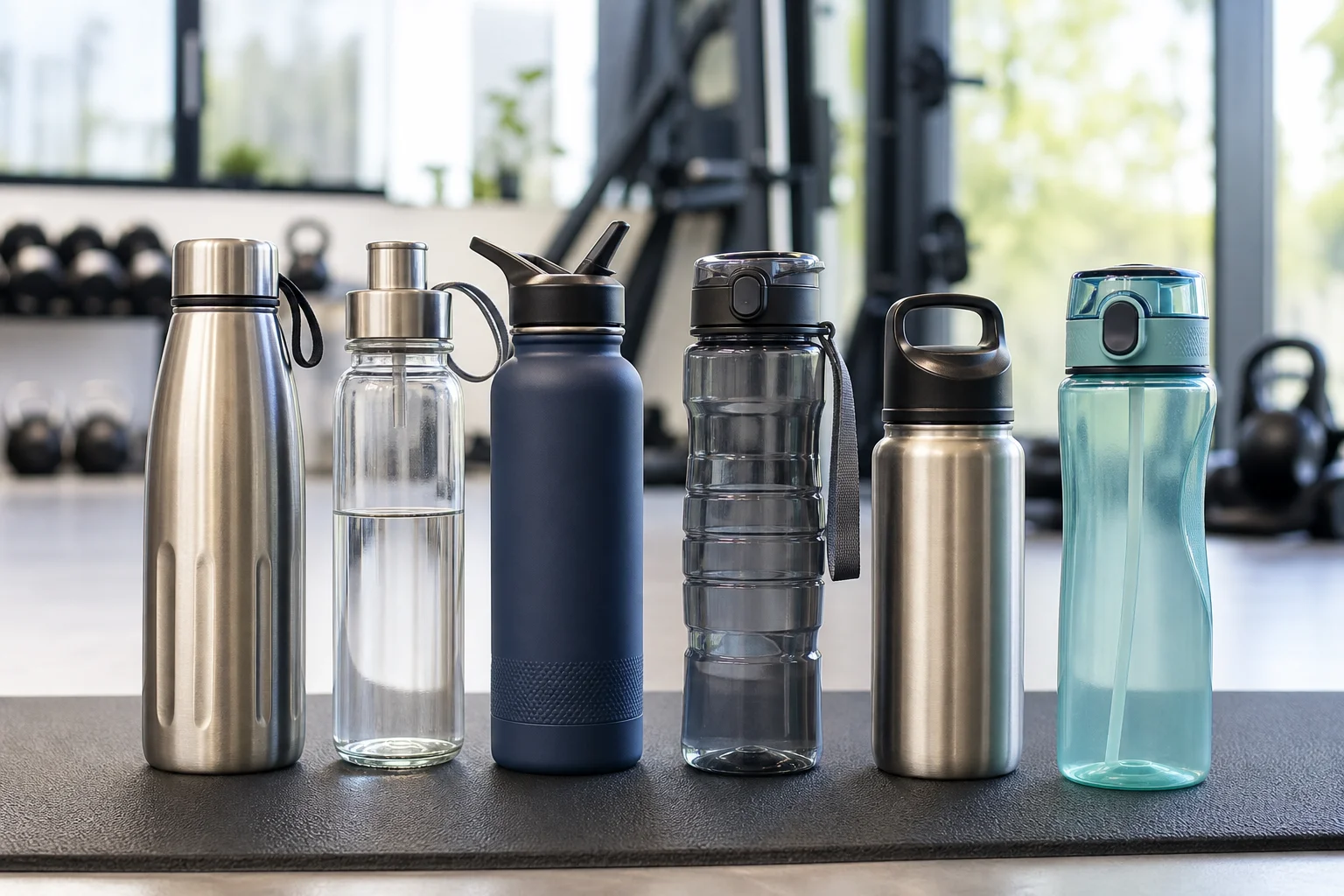
The right water bottle is an essential part of any effective fitness routine. Hydration supports performance and recovery, but the ideal bottle depends on more than vibrant colors or trendy designs. With a range of options on the market, understanding how to make a smart selection can keep you motivated and safe during every workout.
Build Your Comparison Framework: Key Criteria
Before adding a new bottle to your gym gear, outline what truly matters for your workouts. A focused framework cuts through the noise, helping you compare options efficiently and objectively.
1. Material Durability and Safety
Fitness water bottles come primarily in stainless steel, glass, and BPA-free plastic. Stainless steel is prized for its insulation but can be heavier, while glass keeps water tasting pure but may not survive drops in a busy gym. BPA-free plastic is lightweight and shatterproof but may not retain temperature as long.
2. Capacity and Portability
Capacity ranges from compact 350ml bottles to giant 2-liter jugs. For high-intensity sessions or endurance training, larger bottles reduce refill trips. For lighter activities or short commutes, smaller bottles fit easily into bags and gym cup holders.
3. Lid Design and Drinking Mechanism
A leak-proof seal is non-negotiable, especially if your bottle shares space with electronics or clothes. Choose between screw-tops, flip caps, and straws based on your exercise intensity—many runners prefer squeeze bottles, while yogis might favor simple screw-top designs for ease of cleaning.
4. Insulation Performance
If you crave cold water for outdoor or high-heat workouts, double-walled vacuum-insulated bottles keep beverages cool for hours. For winter or indoor classes where temperature is less critical, single-wall bottles suffice and are often lighter.
Practical Comparison: Finding Your Best Fit
Build a side-by-side checklist using your framework. Assess how each candidate scores for material, capacity, lid type, insulation, and extra features. The water bottle you choose should align with your routine, storage preferences, and even cleaning habits.
Feature Highlights to Consider
Additional practical features include measurement markings (for tracking intake), integrated handles or straps, wide-mouth openings for adding ice, and designs that fit most cup holders. Eco-conscious users may opt for recyclable or sustainably manufactured bottles.
Beyond the Basics: Personal Fitness Needs
Reflect on your environment: Do you need a bottle that won’t tip over in a HIIT class? Will you be using it outdoors or in chilly gyms? For families or group workouts, color-coding helps distinguish individual bottles. For marathon training or cycling, go for lightweight, no-slip grip designs.
Finally, think about cleaning and maintenance. Bottles with fewer crevices, fully removable lids, and dishwasher-safe parts make sanitation easy, which is vital for frequent use.
Making an Informed Choice
By anchoring your choice to a clear framework—evaluating durability, capacity, lid style, insulation, and accessories—you ensure your next water bottle supports your training needs and personal preferences. Instead of buying on impulse, you’ll be equipped to select a bottle that promotes both peak performance and peace of mind.